
Minerals in forms the body can actually take up. Magnesium as bisglycinate, selenium as selenomethionine.
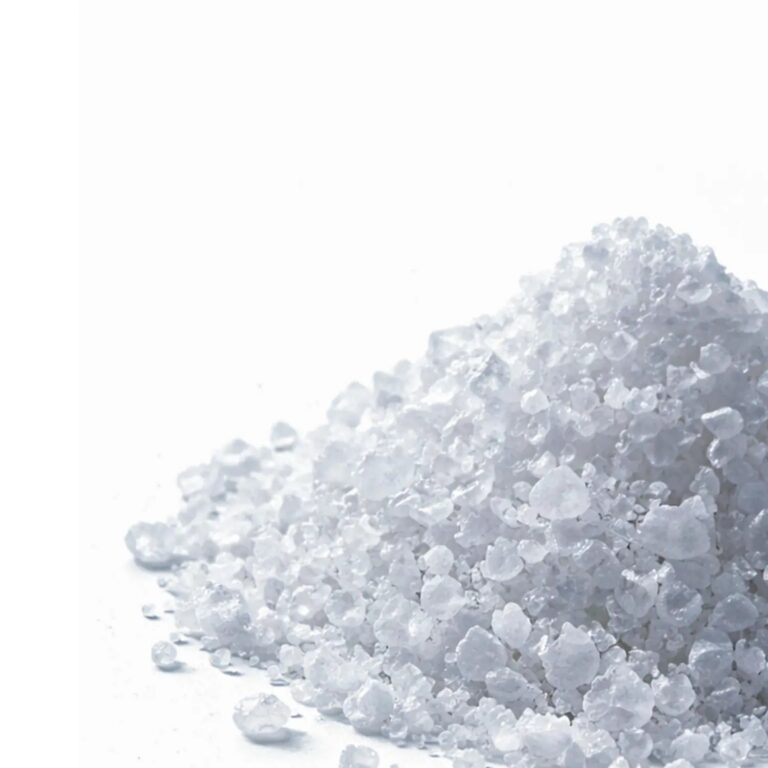
Magnesium
bisglycinate
Magnesium contributes to the normal function of muscles and of the nervous system and to the reduction of tiredness and fatigue. In the formulation it is present as bisglycinate — an organic form bound to the amino acid glycine, known for being well tolerated and gentle on the digestive system.

Zinc
bisglycinate
Zinc contributes to the normal function of the immune system, to the process of cell division and to the maintenance of normal skin, hair and nails. It supports normal cognitive function and contributes to the protection of cells from oxidative stress.

Copper
gluconate
Copper contributes to the normal transport of iron in the body, to the protection of cells from oxidative stress and to the maintenance of normal connective tissues. It takes part in normal energy-yielding metabolism and contributes to the normal function of the immune system.

Selenium
L-selenomethionine
Selenium contributes to the normal function of the immune system, to the protection of cells from oxidative stress and to normal thyroid function. In the formulation it is present as L-selenomethionine — a naturally occurring organic form.

Calcium
carbonate
Calcium contributes to the maintenance of normal bones and teeth, to normal muscle function and to normal blood clotting. It also contributes to normal neurotransmission. It is contained in A.G.E. Elements 40+ and 60+.
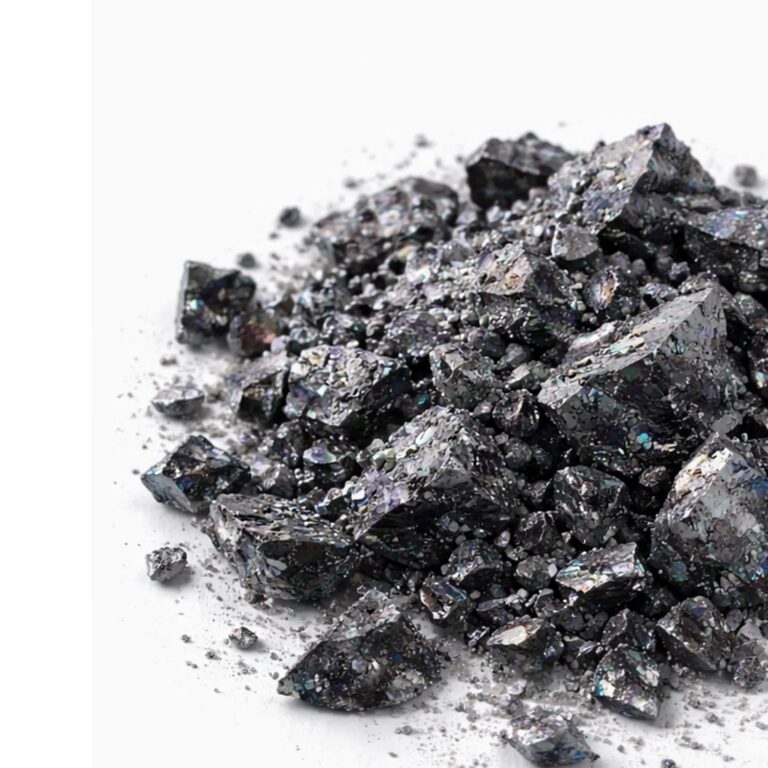
Boron
Boron is a trace element that occurs naturally in fruit, nuts and leafy vegetables. No reference intake values or approved health claims have been set for boron in the EU. It is contained in A.G.E. Elements 40+ (2.3 mg) and 60+ (4.6 mg).
This formulation contains no substance from this group.
Source: the manufacturer’s official ingredient overview for A.G.E. Elements. A food supplement is not a substitute for a varied and balanced diet and a healthy lifestyle.