
Four bacterial cultures and the fibre that feeds them. The base that digestion and the absorption of everything else rests on.

Lactobacillus plantarum
LP-G18
A bacterial culture from the lactobacillus group. The LP-G18 strain is known for its high resistance to acidic conditions, which lets it survive the passage through the stomach. One daily dose contains 2.5 billion CFU.
Lactobacillus rhamnosus
GG
One of the most thoroughly researched probiotic strains of all. One daily serving of A.G.E. Elements contains 3 billion CFU of it, the most of all four cultures used.

Bifidobacterium lactis
HN019
A bacterial culture from the bifidobacteria group, which form a natural part of the gut microflora. One daily dose contains 2.5 billion CFU.
Lactobacillus reuteri
LR-G100
A bacterial culture that occurs naturally in the digestive tract. One daily dose contains 2 billion CFU.
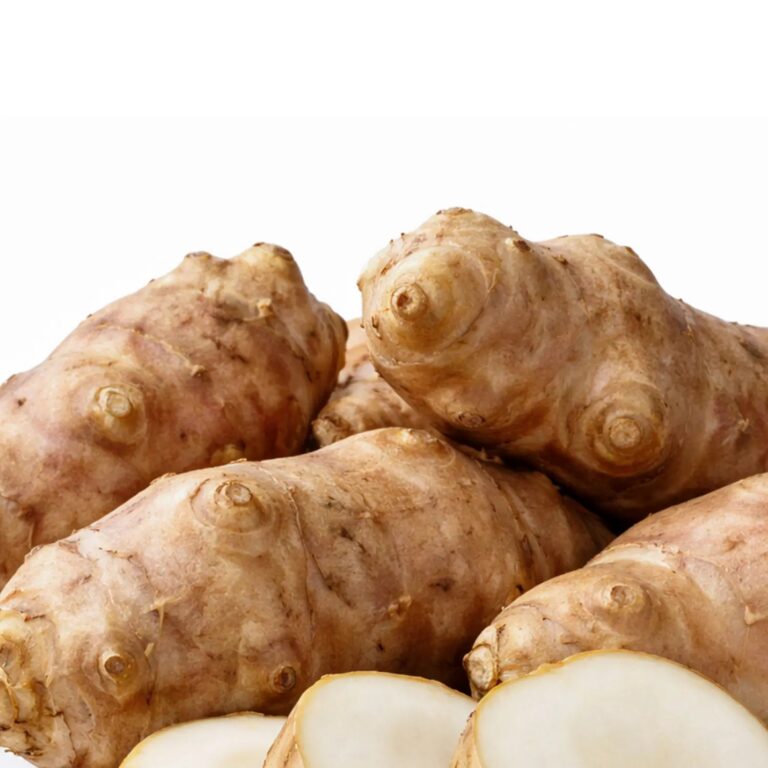
Acacia fibre and inulin
prebiotics
Prebiotic fibre — acacia gum and inulin from chicory root. Prebiotics are indigestible food components that serve as food for the bacterial cultures in the gut. They make up most of the total fibre content of the daily dose (1.8 to 2.3 g depending on the formulation).
Fructo-oligosaccharides (FOS)
prebiotics
Prebiotic fibre from plant sources. Like inulin and acacia fibre, it serves as food for the bifidobacteria and lactobacilli in the formulation.
This formulation contains no substance from this group.
Source: the manufacturer’s official ingredient overview for A.G.E. Elements. A food supplement is not a substitute for a varied and balanced diet and a healthy lifestyle.